
Table of Contents
You love your dog. But dogs cannot tell you when something feels wrong.
Instead, they show you – through yawning, pacing, hiding, or sudden behavior changes.
Learning to read these signs can save your dog’s life. It can also help you know when home support is enough and when veterinary care should not wait.
Here are 10 signs your dog may be stressed, sick, or overwhelmed – and exactly what to do next.
Why This Matters
Many dogs show subtle stress signals before they escalate into panic, defensive behavior, stomach upset, or shutdown.
A dog who is yawning, lip-licking, pacing, or avoiding contact may not be “misbehaving” at all. That dog may be struggling to cope with pain, fear, frustration, noise, heat, or too much stimulation.
Because stressed dogs can also become sick dogs, it helps to look at the full picture instead of focusing on one sign by itself.
10 Signs Your Dog Is Stressed, Sick, or Overwhelmed
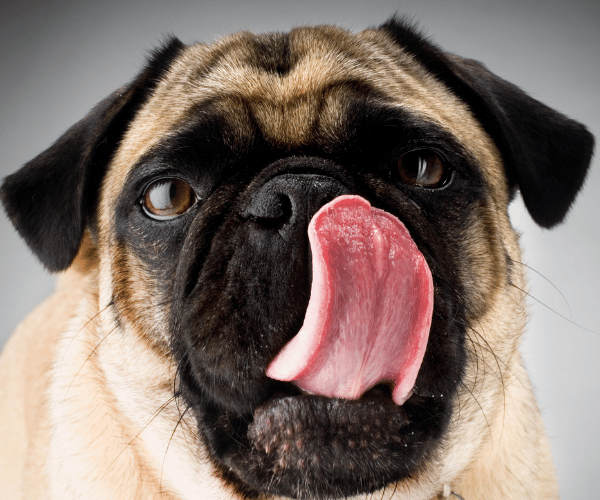
1. Yawning, lip licking, or drooling when there is no obvious reason
Dogs yawn when tired, but they may also yawn more intensely when stressed.
Repeated lip licking or extra drooling can also appear during anxious moments, especially in unfamiliar places, during handling, or around triggers such as loud sounds or crowded environments.
What to do next: Move your dog away from the trigger, lower stimulation, and give them a chance to decompress in a quiet area. Avoid hovering or repeatedly asking for attention if your dog seems more tense when you engage.
2. Whale eye, wide eyes, or pinned-back ears
Dogs often communicate discomfort with facial tension, dilated pupils, wide eyes that show more white than usual, and ears pinned back against the head.
These signals can appear before growling, freezing, or retreating, which makes them especially important for owners to notice early.
What to do next: Pause the interaction, give your dog space, and reduce direct staring, crowding, or forced affection. Calm distance is often more helpful than trying to “push through” the moment.
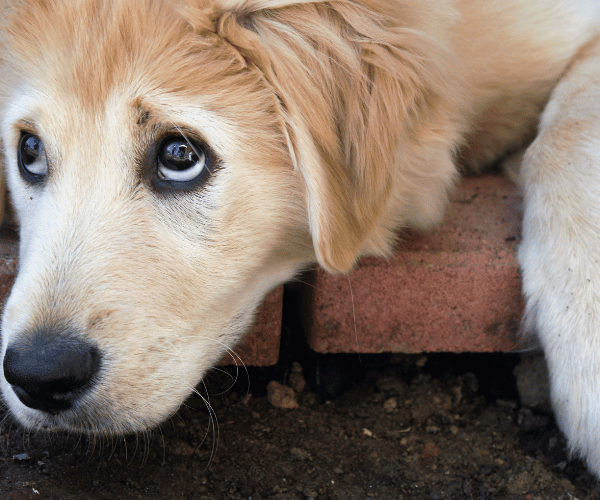
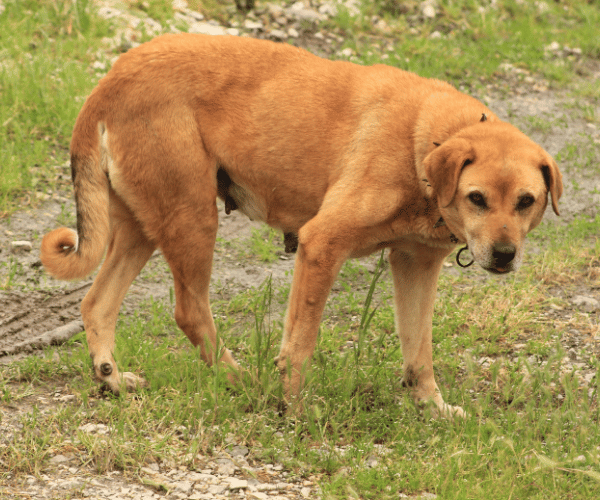
3. Tucked tail, crouched posture, stiffness, or freezing
A healthy dog normally carries body weight evenly, but a stressed dog may tuck the tail, shift backward, crouch, stiffen, or freeze in place.
Freezing is not a sign that a dog is “fine.” It can mean the dog is too overwhelmed to handle what is happening.
What to do next: Stop what you are doing, remove pressure, and help your dog leave the situation safely. Do not punish or drag a frozen dog forward, because that can increase fear and the risk of a defensive reaction.
4. Pacing, shaking, or inability to settle
Pacing and repetitive movement can be a sign that a dog is too agitated to relax.
Shaking can happen after a stressful event, and some dogs continue to pace because they feel unsafe or overstimulated.
What to do next: Bring your dog to a calm room, dim the environment if possible, and offer a predictable routine such as water, a sniffy walk, or quiet rest.
If pacing becomes frequent, sudden, or unusual for your dog, it is worth discussing with a veterinarian, especially in older dogs.
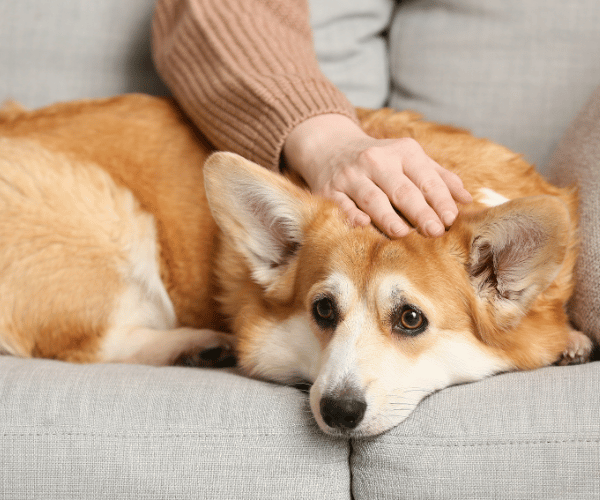
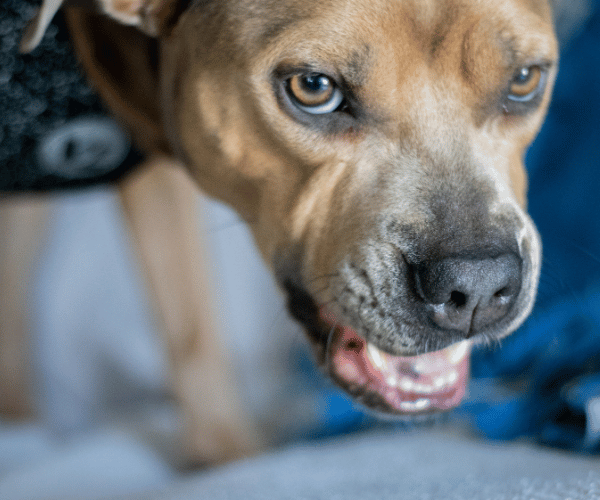
5. Whining, barking, growling, or unusual vocalizing
Stress often changes a dog’s voice.
Whining and barking may increase when a dog is tense, while growling can be an important warning that the dog is uncomfortable, in pain, or feels threatened.
What to do next: Treat vocalization as communication, not stubbornness. Instead of correcting the noise first, identify what is making your dog uncomfortable and change the environment or increase distance from the trigger.
6. Panting when it is not hot or after little activity
Panting is normal after exercise or in heat, but it can also be a stress signal.
If your dog is panting heavily without a clear reason, watch for other clues such as restlessness, tense posture, shaking, or escape behavior.
What to do next: Move your dog to a cooler, quieter area, offer water, and monitor closely. If the panting is intense, your dog seems distressed, or breathing looks labored rather than simply fast, seek veterinary care right away.
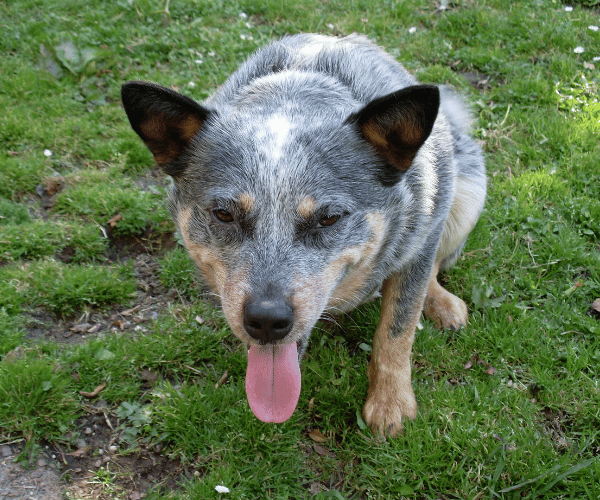
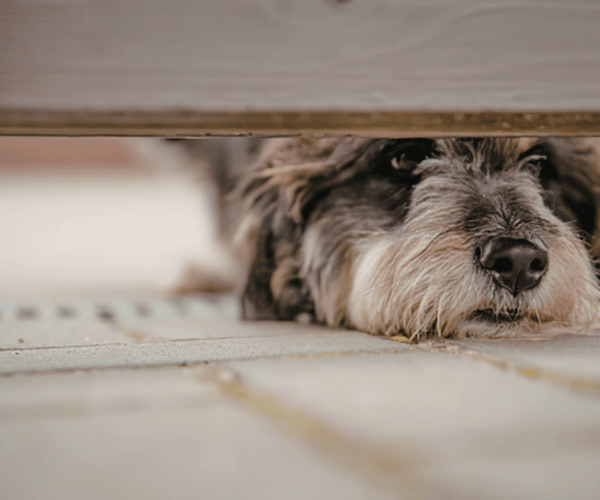
7. Hiding, avoiding interaction, or trying to escape
Some dogs respond to stress by turning away, sniffing the ground, hiding behind a person, retreating under furniture, or trying to leave the area.
Avoidance is often a coping strategy, and forcing interaction can make the dog feel even less safe.
What to do next: Respect the retreat. Give your dog a low-pressure escape option and let them recover before asking for training, greetings, or handling.
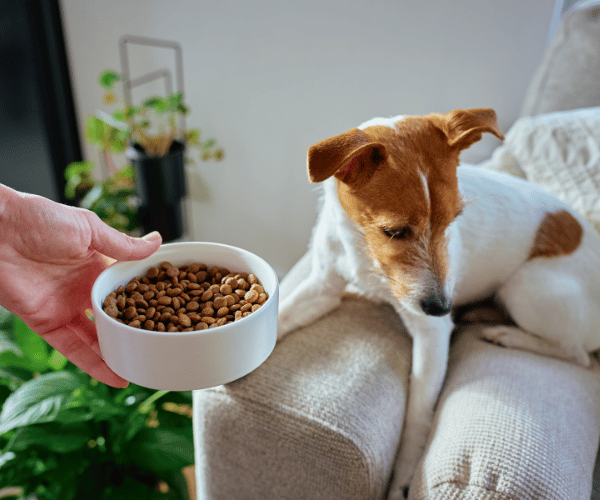
8. Refusing food, stomach upset, or sudden potty changes
Stress can affect digestion, and dogs may refuse food, vomit, have diarrhea, or seem urgently in need of urinating or defecating.
While mild stress can upset the stomach, repeated digestive symptoms may also point to illness, pain, diet issues, toxins, or a more serious medical problem.
What to do next: Offer water, rest the stomach briefly if your veterinarian has previously advised that approach for your dog, and monitor frequency and severity. Repeated vomiting, repeated diarrhea, weakness, or any sign of dehydration needs prompt veterinary attention.
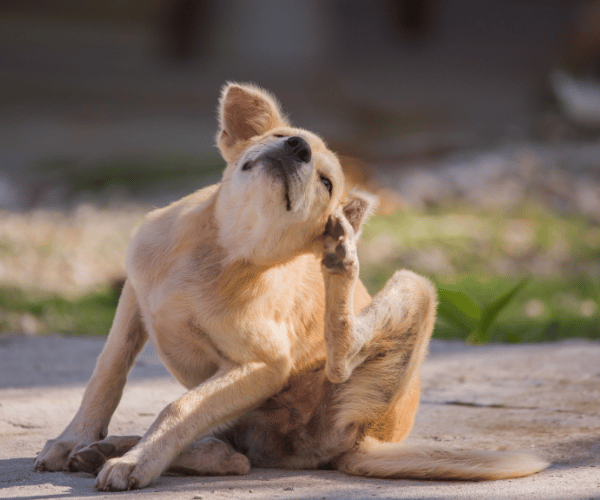
9. Shedding, scratching, over-grooming, or repetitive licking
Anxious dogs may shed more, lick excessively, or show repetitive behaviors that help them cope in the moment.
Over time, stress-related grooming can irritate the skin and create a cycle of discomfort and more licking.
What to do next: Check your dog’s skin, paws, and coat for irritation, injuries, or parasites, then reduce stressors and redirect to calming activities. If the behavior is persistent or sudden, veterinary evaluation is important because skin disease, allergies, and pain can look like anxiety.
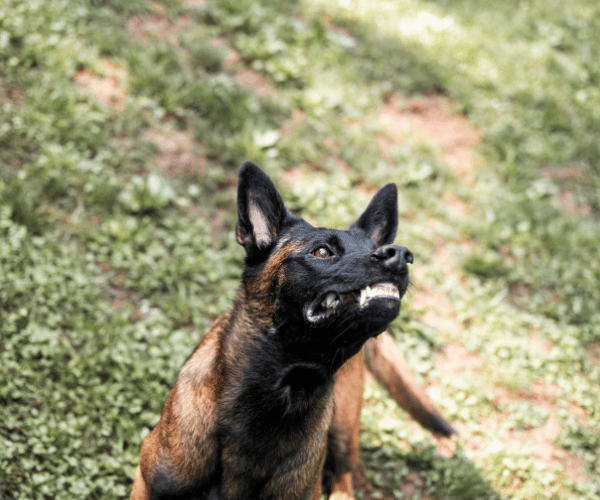
10. Sudden behavior changes, shutdown, or aggression
A dog who suddenly becomes clingy, withdrawn, irritable, or reactive may be dealing with fear, pain, or illness.
The AKC notes that discomfort, guarding, and growling should be taken seriously because they often signal that the dog is not okay with the situation.
What to do next: Create space immediately and avoid punishment. Sudden behavior changes deserve a medical and behavioral review, especially if the dog has no history of acting this way.
How to Create a Safe Zone for Stressed Dogs at Home
A safe zone is a quiet, predictable area where a dog can retreat without being followed, cornered, or handled.
Veterinary guidance recommends giving dogs a calm place in the home where they can escape stimuli that trigger stress.
Use these steps:
- Pick a low-traffic space such as a bedroom corner, covered crate, exercise pen, or quiet office area away from doors, children’s play, and television noise.
- Add familiar comfort items, such as a washable bed, a blanket that smells like home, a water bowl, and one or two safe chew items.
- Keep lighting soft and noise low. White noise, calming music, or drawn curtains can help some dogs during fireworks, guests, or storms.
- Do not use the safe zone for punishment. The area should always predict relief, not conflict.
- Teach family members that when the dog is in the safe zone, the dog should be left alone.
For many dogs, the safest setup is not fancy. It is simply consistent, quiet, and respected by everyone in the household. Rescue dogs, senior dogs, and dogs adjusting to a new environment often benefit the most from having one reliable place where nothing is expected from them.
Best Calming Supplements and Foods for Anxious Dogs
Calming products can help some dogs, but they work best when paired with trigger management, routine, training, and veterinary guidance.
PetMD notes that ingredients such as L-theanine, melatonin, probiotics, alpha-casozepine, and L-tryptophan are among the most common options discussed for canine anxiety support, though results vary by dog and product.
Supplements to discuss with your veterinarian:
| Supplement | What It May Help With | Key Caution |
|---|---|---|
| L-theanine | May help reduce fear and anxiety in some dogs; often used for daily support rather than instant results | Effects may take several weeks; use dog-specific products |
| Melatonin | Sometimes used for situational fear, such as vet visits or storms | Never use products with xylitol; human supplements may contain unsafe ingredients |
| Alpha-casozepine | May support calmer behavior in some dogs | Evidence for fast, short-term effect is limited |
| Veterinary calming blends | Products such as Anxitane, Composure, Solliquin, and Zylkene are commonly referenced by veterinary sources and clinics | Ask a veterinarian which product fits your dog’s age, size, medications, and trigger pattern |
Foods and feeding ideas that may help:
There is no single miracle food for anxiety, but some dogs do better when meals are predictable, stomach-friendly, and delivered in a calming format.
Consider using part of your dog’s regular food in slow feeders, stuffed toys, snuffle mats, or scatter feeding, because sniffing and licking can help lower arousal in many dogs.
Some veterinary calming diets include L-tryptophan and other targeted ingredients, but these should be chosen with a veterinarian rather than guessed at online.
What to avoid:
- Avoid giving human sleep aids or supplements without veterinary approval.
- Avoid any product containing xylitol, which is highly toxic to dogs.
- Avoid assuming a supplement will fix panic, aggression, or pain on its own.
Exercises and Games to Reduce Dog Stress and Hyperactivity
Exercise is a recognized stress reducer for healthy dogs, and mental enrichment often helps anxious or high-energy dogs settle more effectively than excitement-based play alone.
The goal is not to wear a dog out into exhaustion every day, but to give the brain and body healthy outlets that build confidence and calm routines.
Helpful low-pressure activities:
- Sniff walks: Let your dog move at a slower pace and investigate scents instead of turning every walk into fast cardio.
- Food puzzles: Try a stuffed toy, lick mat, muffin-tin puzzle, or hidden treats around one room.
- Find-it games: Hide small treats and encourage your dog to search, which supports natural sniffing behavior and focus.
- Which hand game: Offer a simple scent-choice game with treats in one hand to build concentration and confidence.
- Obstacle course at home: Use cushions, chairs, tunnels, or blankets for calm problem-solving and body awareness.
- Fetch in moderation: For dogs who enjoy it, short sessions can help release tension, but overstimulated dogs may need calmer games first.
A Simple Daily Routine for a Stressed Dog
- Morning potty break and gentle sniff walk.
- Breakfast in a puzzle toy or slow feeder.
- Midday rest in the safe zone.
- Short training session with easy cues and rewards.
- Evening decompression activity such as a chew, lick mat, or treat search.
Dogs with stress issues often do best with rhythm and predictability. A routine helps the nervous system stop expecting surprise after surprise.
When to Take a Stressed Dog to the Vet Immediately
Stress can look dramatic, but true medical emergencies usually involve breathing trouble, collapse, severe pain, neurological symptoms, toxin exposure, or repeated vomiting and diarrhea.
Do not wait for a regular appointment if your dog has any of the following:
- Difficulty breathing, blue or purple gums, neck extended to breathe, or heavy abdominal effort when breathing.
- Collapse, severe weakness, inability to stand, staggering, or sudden trouble walking.
- Repeated seizures, fainting, or loss of consciousness.
- Suspected poisoning, including chocolate, rodent poison, xylitol, antifreeze, or unknown toxins.
- Severe vomiting or diarrhea, especially with weakness, blood, or multiple episodes in a day.
- Heat stress or heatstroke signs, including intense panting, distress, or rapid worsening after heat exposure.
- Obvious severe pain, significant limping, major trauma, or uncontrolled bleeding.
If something feels suddenly and seriously wrong, it is safer to call an emergency clinic than to assume the dog is “just anxious.” A dog can be both stressed and medically unstable at the same time.
Leave a Reply